
Modern Phylogenetic Reclassification for Home Gardeners
If you’ve ever picked up a plant tag and thought, “Wait… wasn’t this called something else?” — you’re not imagining things. Over the past few decades, botanists have been busy reshuffling plant genera based on modern DNA analysis. This field of study, called phylogenetics, looks at evolutionary relationships between plants. As scientists learn more about how species are related, they occasionally move a plant into a different genus — sometimes one we’ve never heard of, and sometimes into a genus we thought we already understood.
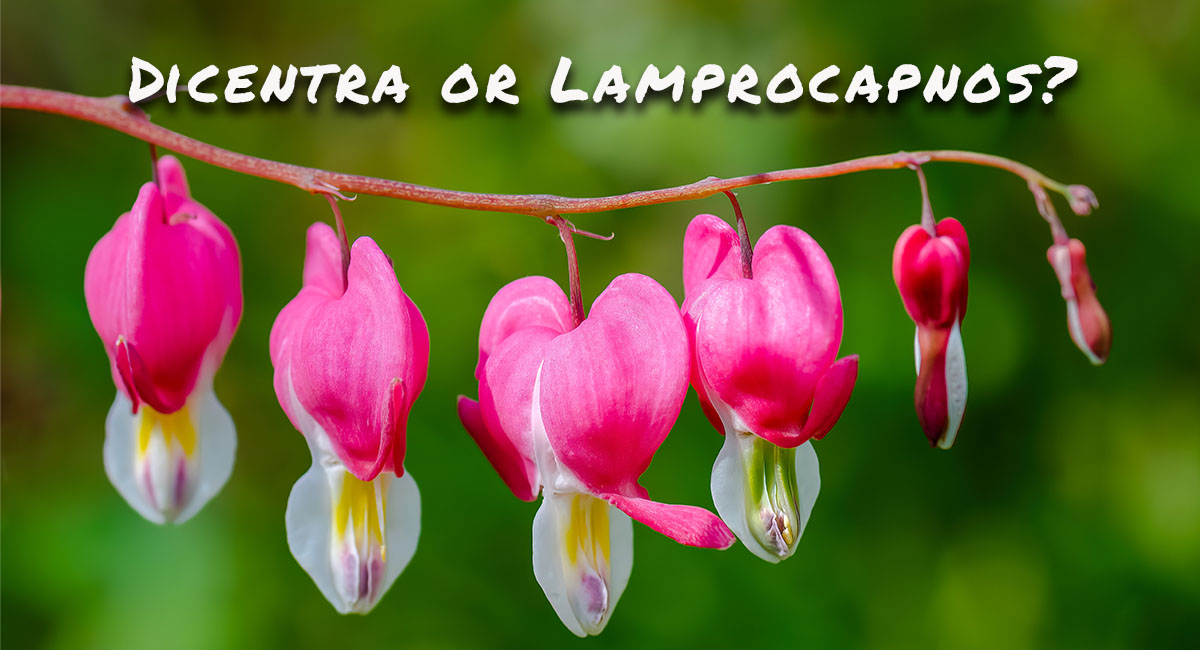
For home gardeners, this can be confusing. One year you’re planting Aster novae-angliae, and the next you’re told it’s Symphyotrichum. Rosemary suddenly becomes a salvia, sedums move into Hylotelephium, and beloved bleeding hearts switch from Dicentra to Lamprocapnos. And nurseries? They often lag behind, which means you might see old names, new names, and hybrid tags all at once.
That’s why I put together this straightforward, gardener-friendly reference chart below. It collects many of the most common name changes you’re likely to encounter in garden centers, books, seed catalogs, and plant communities — including some indoor plants whose names have changed so dramatically that they still surprise people.
A few quick notes before you read the list:
- Some of these are true phylogenetic reclassifications. These include moves like Rosmarinus → Salvia and Eupatorium → Eutrochium. These changes reflect new genetic understanding of how plant families are structured.
- Others reflect misapplied or outdated horticultural names. For example, many “strawflower” labels still show Helichrysum or Bracteantha, even though the accepted name is Xerochrysum bracteatum.
- A few groups (like dogwoods and hebe) still appear under both names in nurseries. That’s totally normal — garden centers tend to adopt new taxonomy slowly.
- Nothing about the plant itself has changed. A new name doesn’t alter how a plant grows, what conditions it needs, or how you care for it. Think of it like learning a plant’s updated “legal name,” while its personality and behavior are still the same.
Below is the complete table of common names, modern scientific names, & outdated scientific names of the plants you’re most likely to see mislabeled or double-labeled today. Bookmark it or print it for reference — it’s a handy cheat sheet for keeping up with the ever-evolving world of plant taxonomy.
Why Nursery Labels Don’t Always Match Modern Plant Names
If you’ve ever noticed that your plant tag, seed packet, and gardening book all use different scientific names for the same plant, don’t worry — that’s completely normal. Plant taxonomy moves quickly, but the gardening industry moves slowly. Here are the biggest reasons why your labels may not match the “official” names you see in updated plant lists:
1. Nurseries often use long-established horticultural names
Growers and wholesalers have used some of the “old names” for 50–100 years. They’re familiar, easy to print on tags, and widely recognized by customers. Changing them isn’t just a one-time shift — it can affect catalogs, signage, databases, and inventory systems.
2. Many gardeners recognize plants by their old names
If a grower suddenly renamed Aster to Symphyotrichum, a lot of customers wouldn’t even realize it’s the same plant. Nurseries frequently keep familiar names simply so people can find what they’re looking for.
3. Global horticulture lags behind academic botany
Botanical research is fast, international, and DNA-driven. Nursery stock, on the other hand, can remain in circulation under older names for decades — especially for long-lived perennials and shrubs.
4. Some genera are still under active taxonomic debate
Groups like Callistemon/Melaleuca, Swida/Cornus, and Hebe/Veronica may appear under either name depending on which authority a grower follows. Both are technically “correct” within different systems.
5. Hybrids complicate things even further
Plants like Japanese anemones (Eriocapitella × hybrida) inherit genetics from multiple genera. As botanists refine the family tree, hybrids sometimes get moved multiple times.
So what should gardeners do?
- Don’t worry too much about the “right” name. The plant in your garden hasn’t changed — only the name has.
- Use updated names when you want to be botanically precise. This is especially helpful when searching online, reading botanical sources, or labeling photos and garden journals.
- Use old names when you’re shopping. If a nursery still sells Aster, Gaura, or Hebe, using the old name will get you pointed to the right bench faster.
- Know both names for groups in transition. Dogwoods, asters, sedums, and bottlebrushes are prime examples where you’ll still see both names in the wild (and in garden centers).
Final thoughts
Even though scientific name changes often frustrate home gardeners, they are the best way for scientists to classify and track plants based on how they are truly related (not just how they look, but also their actual genetic material). As DNA tools improve, we get a clearer picture of plant families. The result? A little renaming here and there, but a much better understanding of the complex world around us.
If you ever come across a confusing name change, I encourage you to look it up — and then comment below so I can add it to the list! 🌿
