
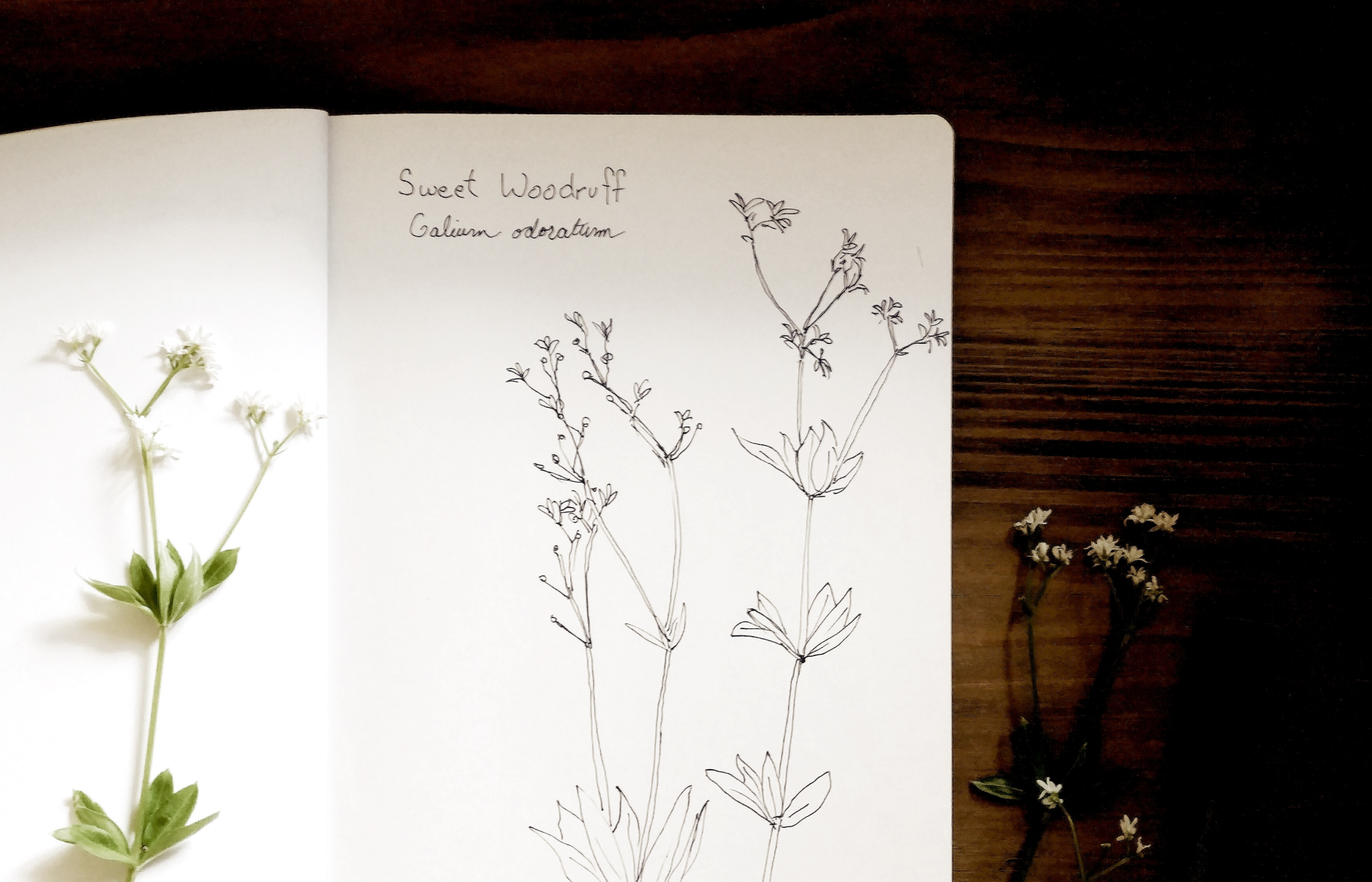
Have you ever noticed that some flowers have common names that sound exactly like their scientific names? Rose and Rosa. Tulip and Tulipa. Iris and… Iris.
Meanwhile, other plants have scientific names that look like they escaped from a spelling bee gone wrong: Helianthus annuus, Myosotis sylvatica, Chrysanthemum x morifolium.
So what gives? Why do some flowers get simple, familiar names while others sound like medical prescriptions?
It turns out the answer is wrapped up in history — from ancient Greek poets to Roman gardeners, to 18th-century botanists, to Indigenous plant knowledge around the world.
Let’s dig into the story behind these names and uncover why some plants kept their original identities… and why others changed along the way.
🌿 Before Scientific Names, Plant Naming Was Chaos
Prior to the 1700s, plants didn’t have standardized names. A single species might have:
- Different names in different regions
- Different names in the same region
- Or names that were actually… entire sentences
Scientists would describe plants using long Latin phrases like: “The tall mint with narrow leaves used for stomach ailments.” Helpful? Sure. Practical? Not really.
In 1753, Swedish botanist Carl Linnaeus changed everything. He standardized the two-part naming system (genus + species) that we still use today — a universal language so botanists worldwide could identify the same plant.
But here’s the fun twist: Linnaeus didn’t start from scratch. When a plant already had a well-established name — especially one used in ancient Greek or Roman texts — he often kept it. And that’s why some flower names feel so familiar today.
🌸 The Ancient Ones: Flowers With Names Thousands of Years Old
Some plants have been beloved for so long that their ancient names carried straight through to modern science.
- Rosa (Rose) The Romans called roses rosa over 2,000 years ago. The word likely came from the Greek rhodon, and it stuck because roses were central to Roman culture: used in celebrations, medicine, beauty rituals, and even politics.
- Iris (Iris) Named after the Greek goddess of the rainbow because of its color range. Linnaeus simply kept the beautiful, ancient name.
- Crocus (Crocus) From the Greek krokos, originally referring specifically to the saffron crocus. Later, the name broadened to the entire genus.
- Lilium (Lily) The Latin word for lilies. No need for a rebrand here! In these cases, the scientific names preserve stories that are thousands of years old.
🌼 Flowers Named After People
Some flower names sound simple because they’re named after real people — usually botanists.
- Dahlia: Named after Anders Dahl, a Swedish botanist. Although Linnaeus died before dahlias reached Europe, botanists in his tradition honored Dahl by naming the genus after him. The flowers were so stunning that the scientific name quickly became the everyday name.
- Fuchsia: Named after Leonhart Fuchs, a 16th-century German botanist.
- Zinnia: Named after Johann Gottfried Zinn.
- Rudbeckia (Black-Eyed Susan); Named after Olof Rudbeck — one of Linnaeus’s own teachers. When these plants became wildly popular, gardeners simply adopted their scientific names as their common names. Easy!
🌺 Names Rooted in Language and Meaning
Some plants have names that evolved naturally because they were easy to pronounce, meaningful, or already part of everyday language.
- Petunia: Comes from the Tupi–Guarani word petun, meaning “tobacco.” Europeans Latinized the Indigenous word, and it became both the common and scientific name.
- Cosmos: From the Greek kosmos, meaning “ordered universe” or “harmony.” A poetic description of its perfectly arranged petals.
- Primrose / Primula: Both come from primus, meaning “first,” because they bloom early. “Primrose” comes from prima rosa — meaning “first flower,” not an actual rose.
- Lavender / Lavandula: Derived from the Latin lavare (“to wash”) because Romans used it in baths.
- Hibiscus: Another ancient Greek name carried forward into modern science.
In these cases, the names stuck because they were already meaningful and easy for people to use.
🌱 The Plot Twist: When Common Names Got It Wrong
Not all naming stories are tidy! Some plants are widely known by completely incorrect common names.
- “Geraniums”: The plants sold at garden centers as geraniums are actually Pelargonium. True geraniums are wild cranesbills. Early European botanists mislabeled pelargoniums, and by the time corrections were made, the common name had already spread.
- “Amaryllis”: Your holiday “amaryllis” is actually called Hippeastrum. The true Amaryllis is a different plant. Linnaeus originally used the name Amaryllis broadly, but later botanists split the genus — long after gardeners had fallen in love with the holiday bloom.
These examples show exactly why scientific names matter. Common names can shift, drift, collide, and get misapplied. But scientific names stay consistent, no matter what language you speak.
🌷 Why This All Matters (Beyond Trivia)
Flower names aren’t random — they’re little time capsules. When you say a name like Iris, Cosmos, or Lavender, you’re echoing:
- Ancient gardeners
- Roman poets
- Indigenous traditions
- Renaissance botanists
- And Linnaeus himself
A single flower can carry 2,000 years of culture in its name. That’s part of what makes gardening so magical — you’re not just tending plants; you’re tending history.
🌼 What Flower Name Surprised You?
I’ve shared some fun, short videos where I show the common and scientific names of common plants — and trust me, some of them are wild.
- Watch the “Plant Names” playlist on YouTube!
- Subscribe to my YouTube channel for more plant stories!
And tell me in the comments: Did you learn any new flower names today?
Happy growing! 🌿